Brand Partnerships · 5 October 2026
Has the Brand Ambassador Become Too Easy to Buy?
As the same faces move between fashion, technology, automotive and luxury, celebrity association is becoming less distinctive. The next era of partnerships may belong to brands that stop buying faces and start building stories.
Think about how many partnership announcements now look almost identical.
A new ambassador is revealed. There is a beautifully shot portrait. A campaign film. A quote about “shared values.” Social posts from both sides. Press coverage.
Then the industry moves on to the next announcement.
None of this is necessarily ineffective.
But it raises a question:
What does having a famous ambassador actually signal when almost every major brand can have one?
Celebrity hasn't become less powerful.
But celebrity access has become less distinctive.
And that changes what brands need to do with it.
01
One person. Many brands.
David Beckham is a useful example.
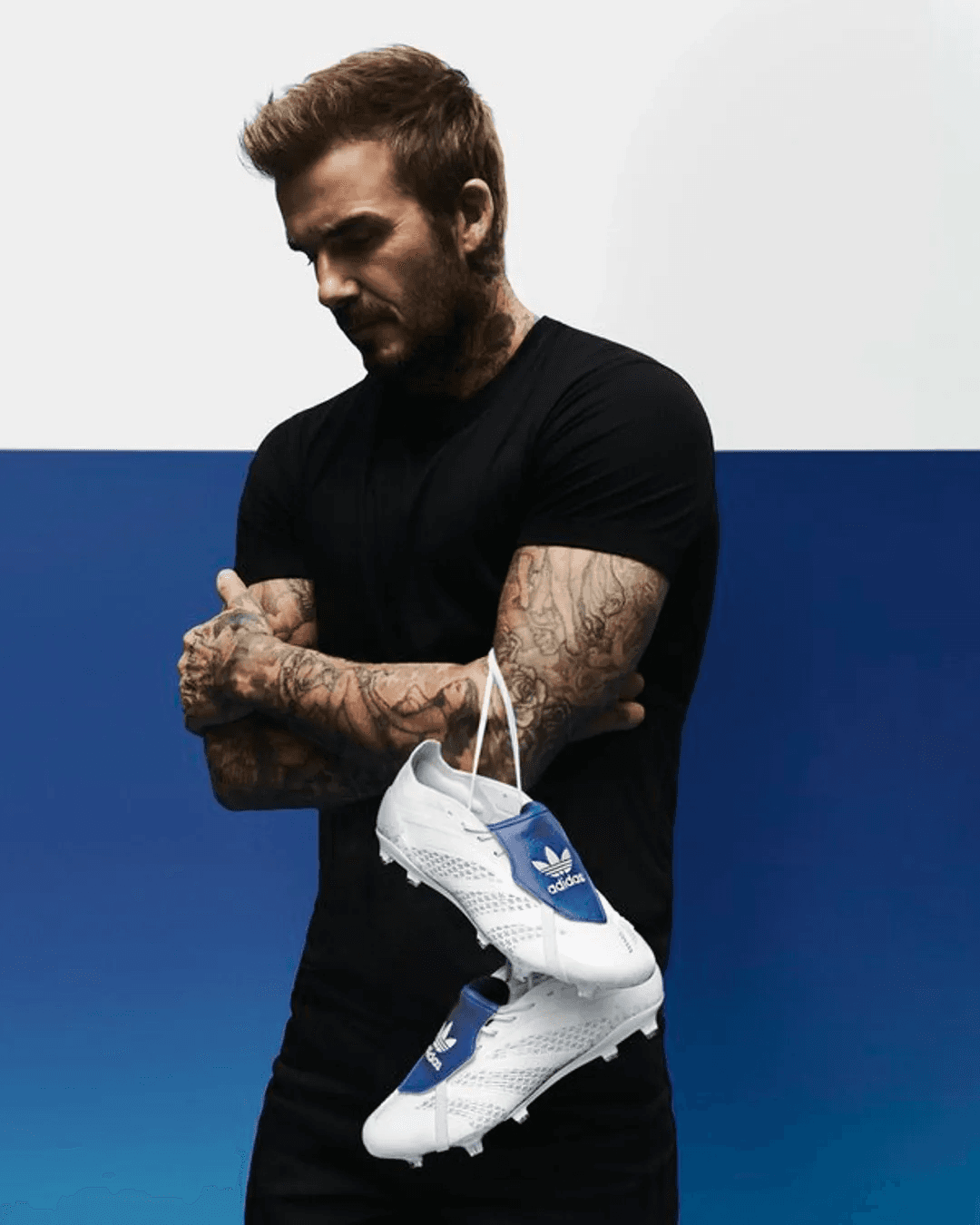
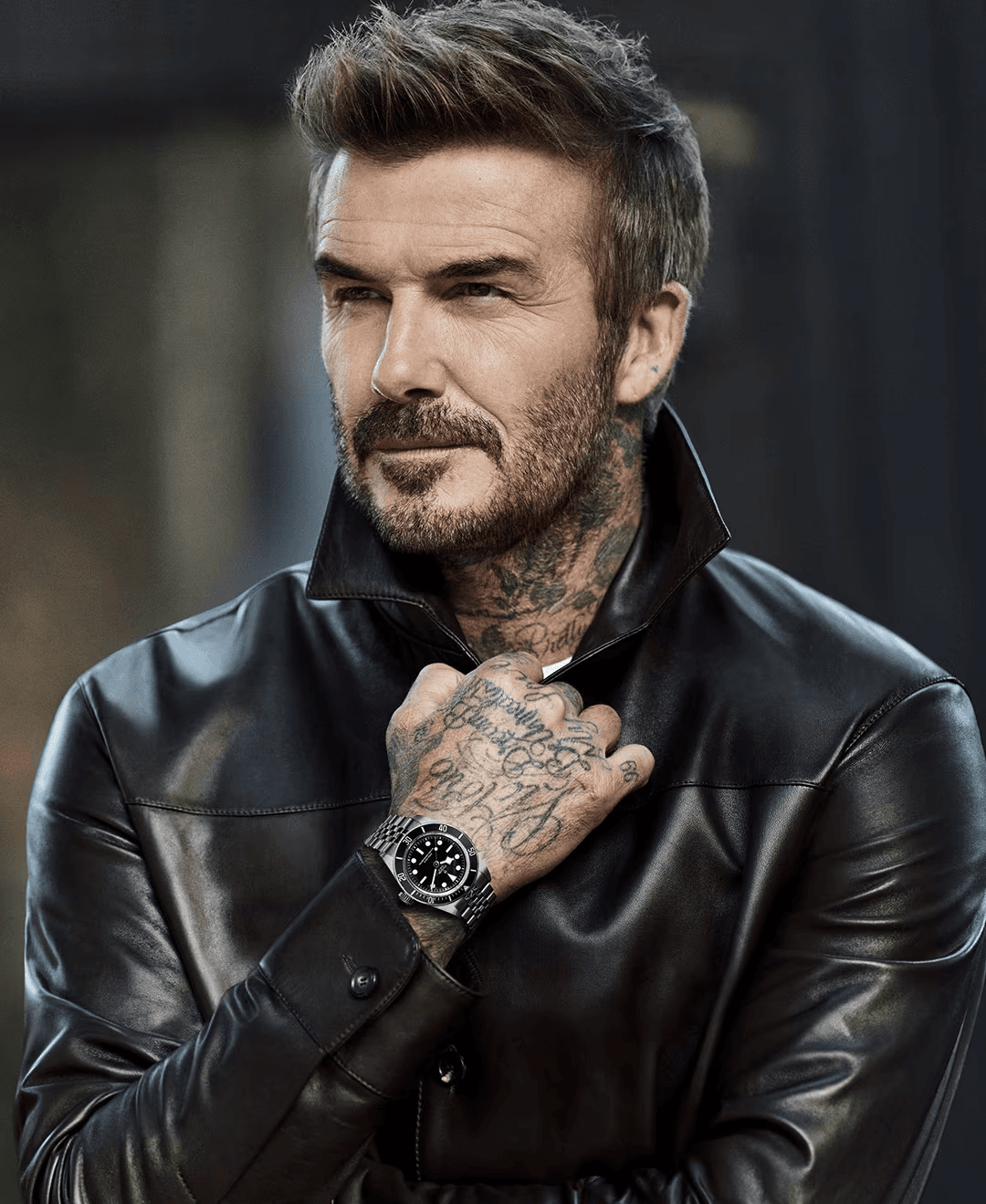
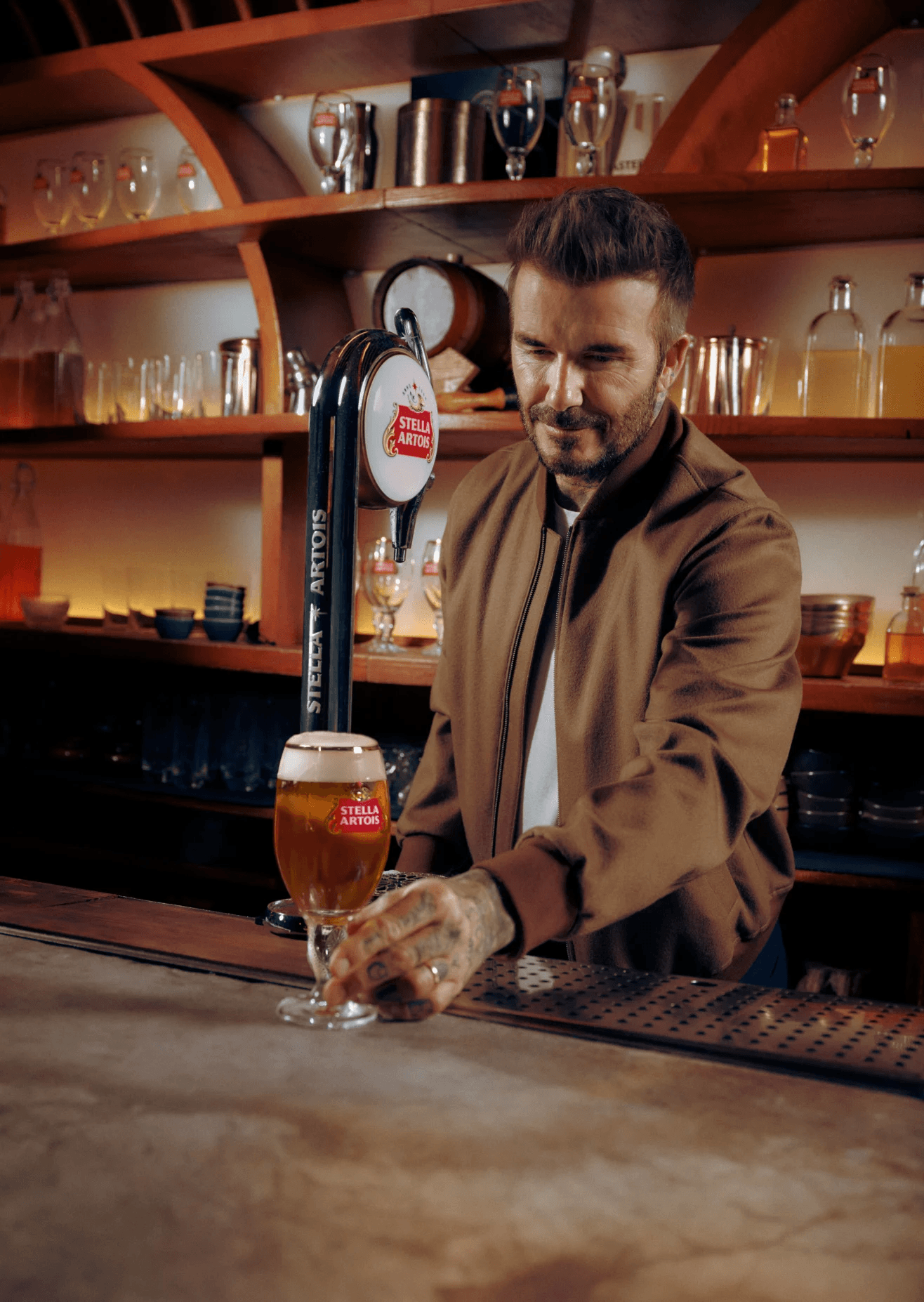
His commercial relationships span remarkably different categories: adidas in sportswear, Tudor in watches, BOSS in fashion and Stella Artois in beer, among others.
There is nothing inherently problematic about that. In fact, Beckham demonstrates why globally recognised talent remains so valuable.
But from the brand's perspective, it creates a more interesting question:
If several companies can access the same fame, what makes any one of those relationships distinctive?
The answer can't simply be Beckham.
Every partner already has Beckham.
It has to be what each brand does with the relationship.
BOSS offers an interesting example. Rather than stopping at campaign imagery, its relationship with Beckham developed into a multi-year collaboration involving collections designed and curated with him.

The celebrity is the same.
What a brand builds around that celebrity can be very different.
02
The face is no longer the idea
There is a difference between having a partnership and having a famous person in your campaign.
A campaign can borrow someone's image, audience and recognition.
A partnership has the potential to build something between two parties that didn't exist before.
If the central idea is essentially:
“Here is [famous person] using our product,”
try replacing them with another person of similar status.
Does the idea still work?
If it does, what exactly belonged to the partnership?
03
Campaigns have endings. Stories accumulate.
Many talent relationships are still structured around individual moments: launch the product, release the imagery, generate coverage, collect the reach numbers, move on.
Then another campaign begins.
A partnership can behave differently.
One chapter can make the next more meaningful. Audiences can gradually understand why two parties belong together. Something should become possible later in the relationship that wasn't possible at the beginning.
Campaign thinking
What will this partnership generate now?
Attention
Partnership thinking
What will this relationship make more valuable later?
Compounding value
That distinction matters because partnerships have the potential to create value that compounds rather than disappears when the media spend stops.
04
What did the brand keep?
A brand pays for access to someone who already possesses attention, credibility or cultural relevance.
For the duration of the campaign, some of that value is transferred.
But what remains when the contract ends?
What did the brand keep?
If the strongest memory is simply that a celebrity once appeared in an advertisement, the brand may have rented attention rather than built an association.
And rented relevance has an obvious weakness:
someone else can rent it next.
The celebrity changes clothes. Changes watch. Changes car. Changes campaign.
The audience follows them.
The brand needs something that remains.
05
From borrowed attention to shared meaning
This doesn't mean ambassadors are obsolete.
The right person can give a brand access to communities, perspectives and cultural spaces conventional advertising cannot easily reach.
But access should be the beginning of the partnership, not its achievement.
The more interesting question is what the brand and partner can create that becomes associated with both of them.
Something audiences would struggle to imagine one creating without the other.
The partnership should leave something behind.
That's where the value begins to move from borrowed attention towards shared meaning.
06
Maybe brands don't need more ambassadors
They may need to ask more of the relationships they already have.
The next competitive advantage in partnerships may not come from securing an even bigger celebrity. Everyone with sufficient budget is competing for those people already.
It may come from building relationships competitors cannot easily reproduce.
Because a famous face can be bought.
Reach can be bought.
Media can be bought.
What is much harder to buy is a story audiences have watched become meaningful over time.
Perhaps that's where brands should start thinking beyond the campaign.
Not:
Who should be the face of our next one?
But:
What could we begin together now that might still matter three years from now?
ni-comms Insights
Perspectives on strategic partnerships, culture and long-term brand relevance.
Explore more Insights